
What makes a brand
01 h2
02 h2
body
Layers of brand
According to the Motto® Future of Brand Report 2026 as well as many other sources, brand gains even more layers of meaning and impact moving forward.
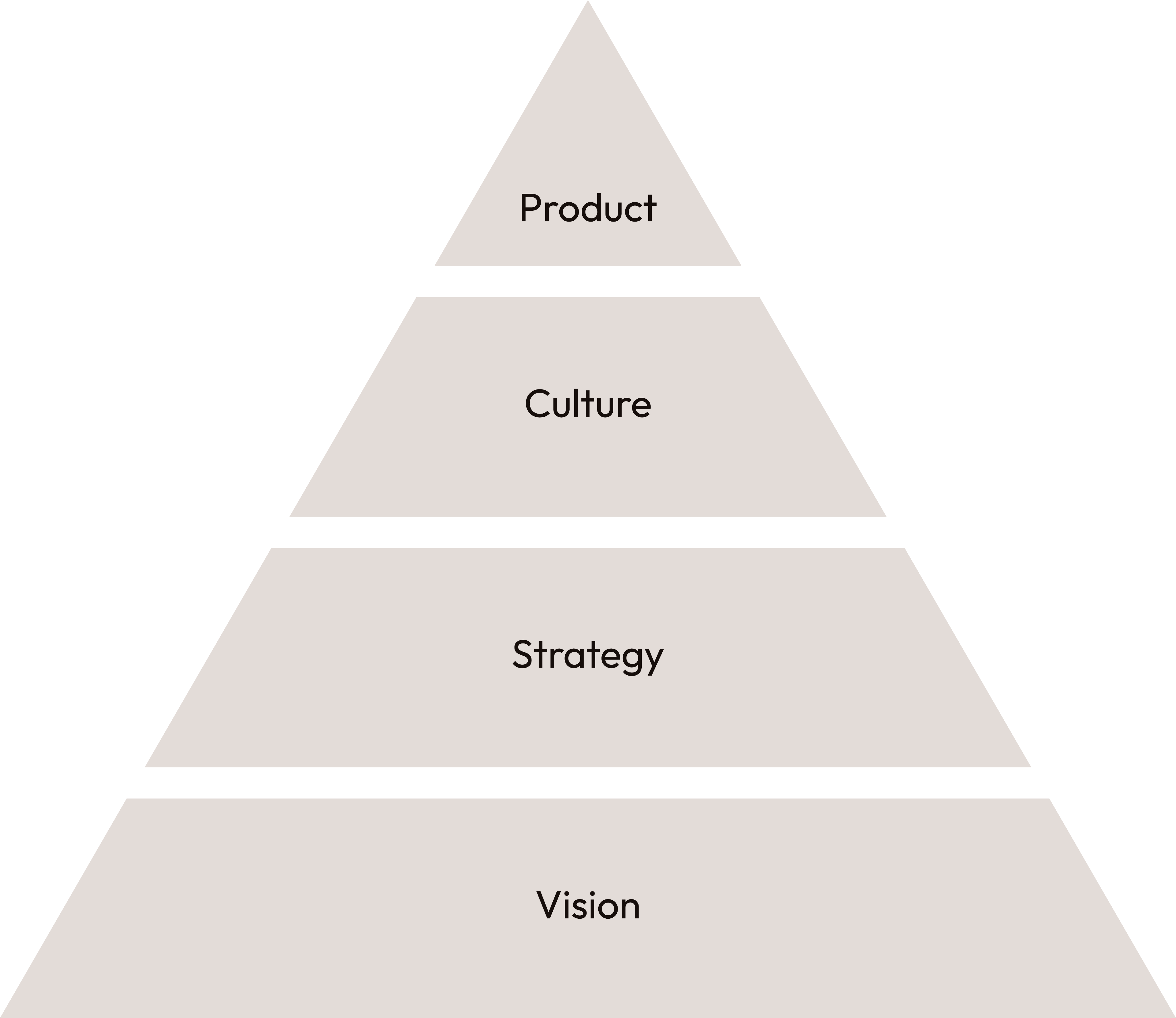
Product
The proof in people’s hands: the work we ship that makes the brand real, useful, and worth coming back for
Culture
The vibe behind the scenes: how we behave when nobody’s watching, and how work actually gets done around here
Strategy
The “okay, but how?” part: the smart choices that turn the daydream into a plan (and not a PowerPoint fantasy)
Vision
The “why we exist” daydream: the big, slightly audacious future we’re trying to make real
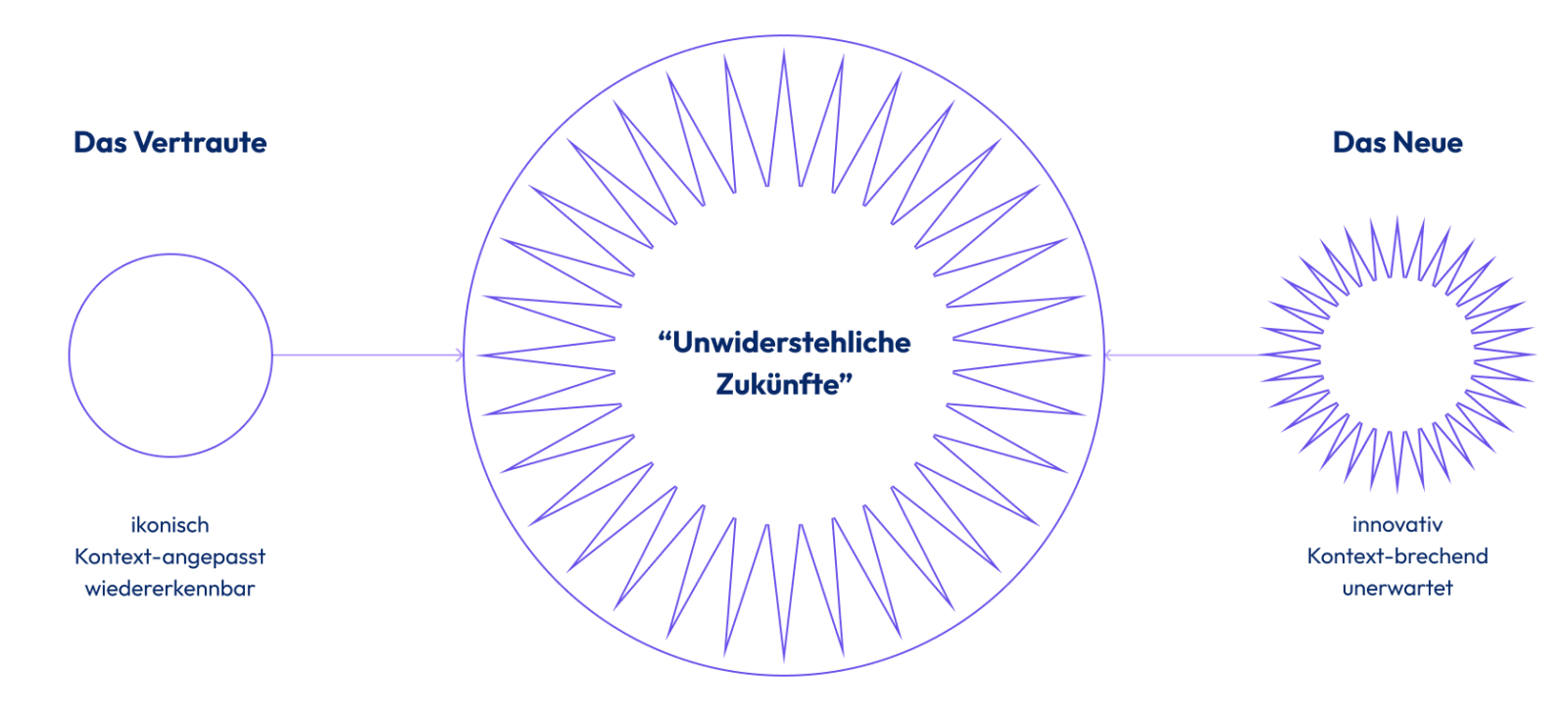

Brands do not live in logos, guidelines, or marketing plans. They live in people’s minds and in their gut feelings. No matter how rational we try to be, our decisions are shaped by emotion and intuition. A brand ultimately becomes the impression an individual forms through their own encounters with it. Each person builds a slightly different version of that brand over time, shaped by moments, experiences, and memories.
Companies cannot fully control how they are perceived, but they can influence the direction of that perception. They do this by clearly communicating what makes them distinct and by expressing a recognizable personality and voice that leaves a lasting impression.
Brand guides provide the foundation for this. They act as a visual and verbal system that defines the principles, positioning, and identity that shape how a brand appears and speaks. Yet the guide itself is not the brand. The brand is the impact created when those principles come to life in real interactions.
Design plays a crucial role in these moments of interaction. At every touchpoint it can engage people on different levels.
The first is visceral: the immediate impression created by form, color, and visual appeal.
The second is behavioral: how intuitive and effective the experience feels in use.
The third is reflective: the personal meaning people attach to a brand and the values they recognize in it over time.
In today’s landscape, brands must go beyond visibility. They need a clear narrative and a meaningful mission that people can connect with. Through thoughtful storytelling and organic social presence, brands can cultivate deeply loyal communities, sometimes even a cult following.
At the heart of it all is a compelling story that communicates values and a clear sense of purpose. When people understand not only what a brand offers but why it exists, the connection becomes emotional, memorable, and worth returning to.
Branding = Impression Management
Brand as a system of belief, not just storytelling
Building a point of view
Branding is a strategic undertaking: a brand tells a story that unfolds across all points of contact with the user, creating a unique identity and thus identification. Branding is essential for building trust, adapting to market changes, and ultimately influencing consumer behavior.
When everyone builds from the same set of references, distinction becomes the rarest resource a brand can have. It is easy to borrow a familiar tone, a recognizable interface language, a trusted rhythm of shipping and storytelling. The result is often credible, polished, and immediately legible, but also increasingly interchangeable.
Sameness is efficient. It reduces risk, speeds up decisions, and makes patterns easier to scale. Yet it also carries a cost: it smooths away personality, turns ideas into templates, and quietly weakens trust because people sense when something could belong to anyone.
Real differentiation is not a styling layer added at the end. It is a series of choices made early and repeated consistently, especially when copying would be simpler. The teams that stand out create their own playbook, defining principles, voice, and interaction patterns that are specific enough to be unmistakable, and coherent enough to endure.
A clear trend is currently emerging in consumer behavior: the overconsumption of cheap goods in large quantities is giving way to fewer, but higher-quality goods. The same is true for digital products. The market is oversaturated, and products must keep up with the competition.
Our goal should be to optimize the quality of the platforms, enable future-proof development, and achieve a unique selling point through our communication that will still be relevant in 2026+ in a market that has far exceeded saturation point.


Form follows performance
A steadily changing approach
In the 20th century, the design principle “form follows function” shaped the work of designers. The idea was that form and aesthetics should follow function, i.e., purpose.
However, a function is a final status. The function of a door is to open or close access to a room. The function of a pen is to write. The function of a logo is to identify the brand.
In today's digital world, we need to adapt this principle somewhat. According to Leland Maschmeyer (Collins), we now talk about “form follows performance.” The term “performance” refers to how something works in practice, in different contexts, over time, and through interaction. Performance is dynamic, variable, measurable, and often surprising.
By placing performance above function, we recognize that:
- Brand systems exist in an unpredictable, rapidly changing environment.
- They must serve multiple stakeholders with different needs simultaneously.
- Their value comes from what they enable, not just what they represent.
- Their effectiveness must be measured by business results.


What does delight mean in a product?
Product design and user experience (UX) are about creating moments in a product or service that surprise and appeal to the user emotionally, going beyond mere usability to evoke positive feelings. This often includes unexpected but pleasant interactions that enhance the overall user experience and promote loyalty. Fun comes first.
Consumers are looking for appealing distractions, for “moments of goodness” and fun. They prefer highly personalized experiences that show character and long for sincerity and transparency in communication. Younger generations invest in the values a brand stands for and prefer hyper-localized content where sustainability is not used as a buzzword.
Back to top


Previous
topic
Next
topic
Home
GTC
Legal Notice
Terms of Use
Privacy Policy
What makes a brand
body
01 h2
02 h2
Layers of brand
According to the Motto® Future of Brand Report 2026 as well as many other sources, brand gains even more layers of meaning and impact moving forward.
Product
The proof in people’s hands: the work we ship that makes the brand real, useful, and worth coming back for
Culture
The vibe behind the scenes: how we behave when nobody’s watching, and how work actually gets done around here
Strategy
The “okay, but how?” part: the smart choices that turn the daydream into a plan (and not a PowerPoint fantasy)
Vision
The “why we exist” daydream: the big, slightly audacious future we’re trying to make real
Brands do not live in logos, guidelines, or marketing plans. They live in people’s minds and in their gut feelings. No matter how rational we try to be, our decisions are shaped by emotion and intuition. A brand ultimately becomes the impression an individual forms through their own encounters with it. Each person builds a slightly different version of that brand over time, shaped by moments, experiences, and memories.
Companies cannot fully control how they are perceived, but they can influence the direction of that perception. They do this by clearly communicating what makes them distinct and by expressing a recognizable personality and voice that leaves a lasting impression.
Brand guides provide the foundation for this. They act as a visual and verbal system that defines the principles, positioning, and identity that shape how a brand appears and speaks. Yet the guide itself is not the brand. The brand is the impact created when those principles come to life in real interactions.
Design plays a crucial role in these moments of interaction. At every touchpoint it can engage people on different levels.
The first is visceral: the immediate impression created by form, color, and visual appeal.
The second is behavioral: how intuitive and effective the experience feels in use.
The third is reflective: the personal meaning people attach to a brand and the values they recognize in it over time.
In today’s landscape, brands must go beyond visibility. They need a clear narrative and a meaningful mission that people can connect with. Through thoughtful storytelling and organic social presence, brands can cultivate deeply loyal communities, sometimes even a cult following.
At the heart of it all is a compelling story that communicates values and a clear sense of purpose. When people understand not only what a brand offers but why it exists, the connection becomes emotional, memorable, and worth returning to.
Branding = Impression Management
Brand as a system of belief, not just storytelling
Building a point of view
Branding is a strategic undertaking: a brand tells a story that unfolds across all points of contact with the user, creating a unique identity and thus identification. Branding is essential for building trust, adapting to market changes, and ultimately influencing consumer behavior.
When everyone builds from the same set of references, distinction becomes the rarest resource a brand can have. It is easy to borrow a familiar tone, a recognizable interface language, a trusted rhythm of shipping and storytelling. The result is often credible, polished, and immediately legible, but also increasingly interchangeable.
Sameness is efficient. It reduces risk, speeds up decisions, and makes patterns easier to scale. Yet it also carries a cost: it smooths away personality, turns ideas into templates, and quietly weakens trust because people sense when something could belong to anyone.
Real differentiation is not a styling layer added at the end. It is a series of choices made early and repeated consistently, especially when copying would be simpler. The teams that stand out create their own playbook, defining principles, voice, and interaction patterns that are specific enough to be unmistakable, and coherent enough to endure.
A clear trend is currently emerging in consumer behavior: the overconsumption of cheap goods in large quantities is giving way to fewer, but higher-quality goods. The same is true for digital products. The market is oversaturated, and products must keep up with the competition.
Our goal should be to optimize the quality of the platforms, enable future-proof development, and achieve a unique selling point through our communication that will still be relevant in 2026+ in a market that has far exceeded saturation point.


Form follows performance
A steadily changing approach
In the 20th century, the design principle “form follows function” shaped the work of designers. The idea was that form and aesthetics should follow function, i.e., purpose.
However, a function is a final status. The function of a door is to open or close access to a room. The function of a pen is to write. The function of a logo is to identify the brand.
In today's digital world, we need to adapt this principle somewhat. According to Leland Maschmeyer (Collins), we now talk about “form follows performance.” The term “performance” refers to how something works in practice, in different contexts, over time, and through interaction. Performance is dynamic, variable, measurable, and often surprising.
By placing performance above function, we recognize that:
- Brand systems exist in an unpredictable, rapidly changing environment.
- They must serve multiple stakeholders with different needs simultaneously.
- Their value comes from what they enable, not just what they represent.
- Their effectiveness must be measured by business results.


What does delight mean in a product?
Product design and user experience (UX) are about creating moments in a product or service that surprise and appeal to the user emotionally, going beyond mere usability to evoke positive feelings. This often includes unexpected but pleasant interactions that enhance the overall user experience and promote loyalty. Fun comes first.
Consumers are looking for appealing distractions, for “moments of goodness” and fun. They prefer highly personalized experiences that show character and long for sincerity and transparency in communication. Younger generations invest in the values a brand stands for and prefer hyper-localized content where sustainability is not used as a buzzword.
Back to top

Previous
topic
Next
topic
Home
GTC
Legal Notice
Terms of Use
Privacy Policy
What makes a brand
body
01 h2
02 h2
Layers of brand
According to the Motto® Future of Brand Report 2026 as well as many other sources, brand gains even more layers of meaning and impact moving forward.
Product
The proof in people’s hands: the work we ship that makes the brand real, useful, and worth coming back for
Culture
The vibe behind the scenes: how we behave when nobody’s watching, and how work actually gets done around here
Strategy
The “okay, but how?” part: the smart choices that turn the daydream into a plan (and not a PowerPoint fantasy)
Vision
The “why we exist” daydream: the big, slightly audacious future we’re trying to make real
Branding = Impression Management
Brands do not live in logos, guidelines, or marketing plans. They live in people’s minds and in their gut feelings. No matter how rational we try to be, our decisions are shaped by emotion and intuition. A brand ultimately becomes the impression an individual forms through their own encounters with it. Each person builds a slightly different version of that brand over time, shaped by moments, experiences, and memories.
Companies cannot fully control how they are perceived, but they can influence the direction of that perception. They do this by clearly communicating what makes them distinct and by expressing a recognizable personality and voice that leaves a lasting impression.
Brand guides provide the foundation for this. They act as a visual and verbal system that defines the principles, positioning, and identity that shape how a brand appears and speaks. Yet the guide itself is not the brand. The brand is the impact created when those principles come to life in real interactions.
Design plays a crucial role in these moments of interaction. At every touchpoint it can engage people on different levels.
The first is visceral: the immediate impression created by form, color, and visual appeal.
The second is behavioral: how intuitive and effective the experience feels in use.
The third is reflective: the personal meaning people attach to a brand and the values they recognize in it over time.
In today’s landscape, brands must go beyond visibility. They need a clear narrative and a meaningful mission that people can connect with. Through thoughtful storytelling and organic social presence, brands can cultivate deeply loyal communities, sometimes even a cult following.
At the heart of it all is a compelling story that communicates values and a clear sense of purpose. When people understand not only what a brand offers but why it exists, the connection becomes emotional, memorable, and worth returning to.
Brand as a system of belief, not just storytelling
Building a point of view
Branding is a strategic undertaking: a brand tells a story that unfolds across all points of contact with the user, creating a unique identity and thus identification. Branding is essential for building trust, adapting to market changes, and ultimately influencing consumer behavior.
When everyone builds from the same set of references, distinction becomes the rarest resource a brand can have. It is easy to borrow a familiar tone, a recognizable interface language, a trusted rhythm of shipping and storytelling. The result is often credible, polished, and immediately legible, but also increasingly interchangeable.
Sameness is efficient. It reduces risk, speeds up decisions, and makes patterns easier to scale. Yet it also carries a cost: it smooths away personality, turns ideas into templates, and quietly weakens trust because people sense when something could belong to anyone.
Real differentiation is not a styling layer added at the end. It is a series of choices made early and repeated consistently, especially when copying would be simpler. The teams that stand out create their own playbook, defining principles, voice, and interaction patterns that are specific enough to be unmistakable, and coherent enough to endure.
A clear trend is currently emerging in consumer behavior: the overconsumption of cheap goods in large quantities is giving way to fewer, but higher-quality goods. The same is true for digital products. The market is oversaturated, and products must keep up with the competition.
Our goal should be to optimize the quality of the platforms, enable future-proof development, and achieve a unique selling point through our communication that will still be relevant in 2026+ in a market that has far exceeded saturation point.


Form follows performance
A steadily changing approach
In the 20th century, the design principle “form follows function” shaped the work of designers. The idea was that form and aesthetics should follow function, i.e., purpose.
However, a function is a final status. The function of a door is to open or close access to a room. The function of a pen is to write. The function of a logo is to identify the brand.
In today's digital world, we need to adapt this principle somewhat. According to Leland Maschmeyer (Collins), we now talk about “form follows performance.” The term “performance” refers to how something works in practice, in different contexts, over time, and through interaction. Performance is dynamic, variable, measurable, and often surprising.
By placing performance above function, we recognize that:
- Brand systems exist in an unpredictable, rapidly changing environment.
- They must serve multiple stakeholders with different needs simultaneously.
- Their value comes from what they enable, not just what they represent.
- Their effectiveness must be measured by business results.


















What does delight mean in a product?
Product design and user experience (UX) are about creating moments in a product or service that surprise and appeal to the user emotionally, going beyond mere usability to evoke positive feelings. This often includes unexpected but pleasant interactions that enhance the overall user experience and promote loyalty. Fun comes first.
Consumers are looking for appealing distractions, for “moments of goodness” and fun. They prefer highly personalized experiences that show character and long for sincerity and transparency in communication. Younger generations invest in the values a brand stands for and prefer hyper-localized content where sustainability is not used as a buzzword.
Back to top

Previous
topic
Next
topic
Home
GTC
Legal Notice
Terms of Use
Privacy Policy