
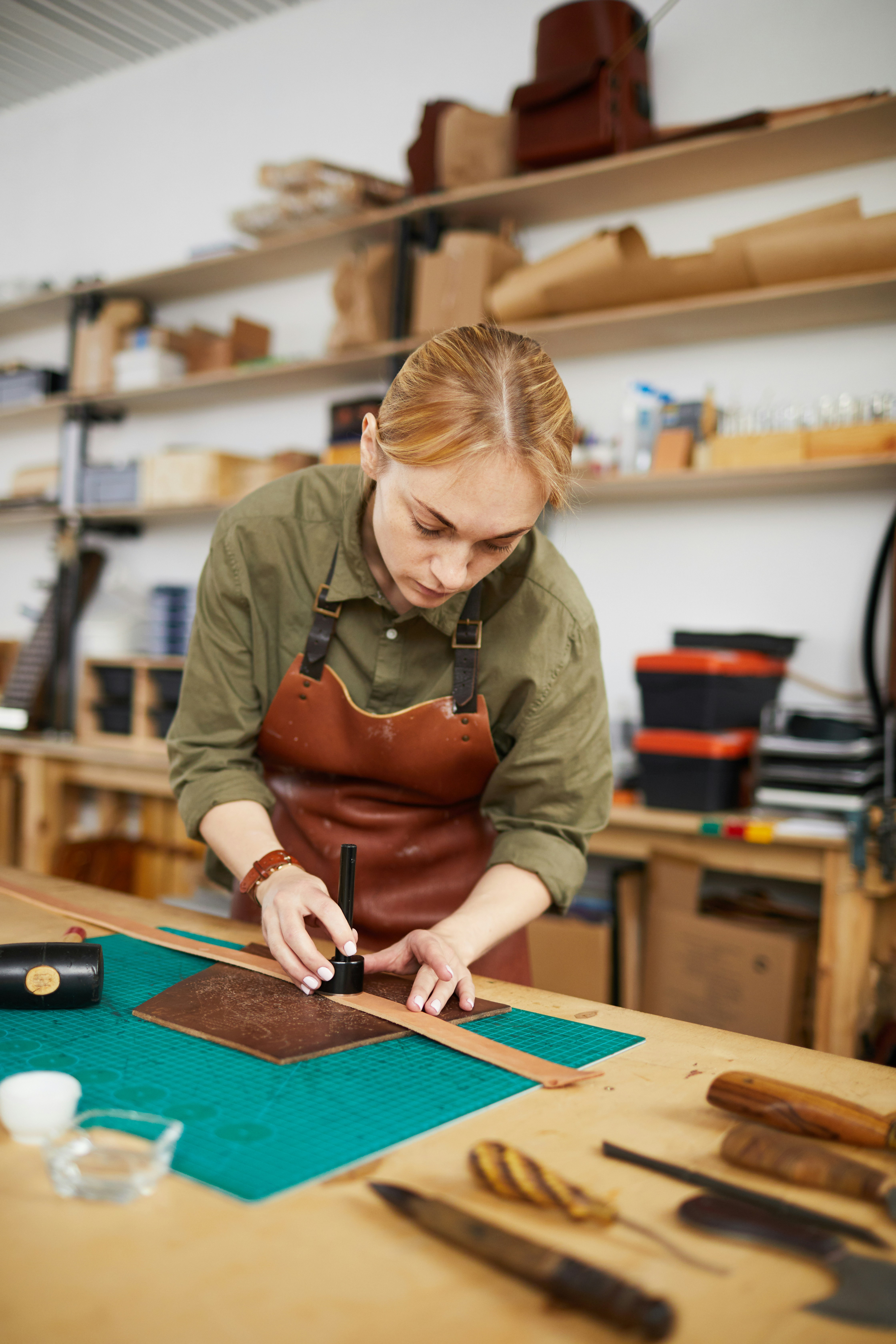
We photograph work being done, not people posing with the results
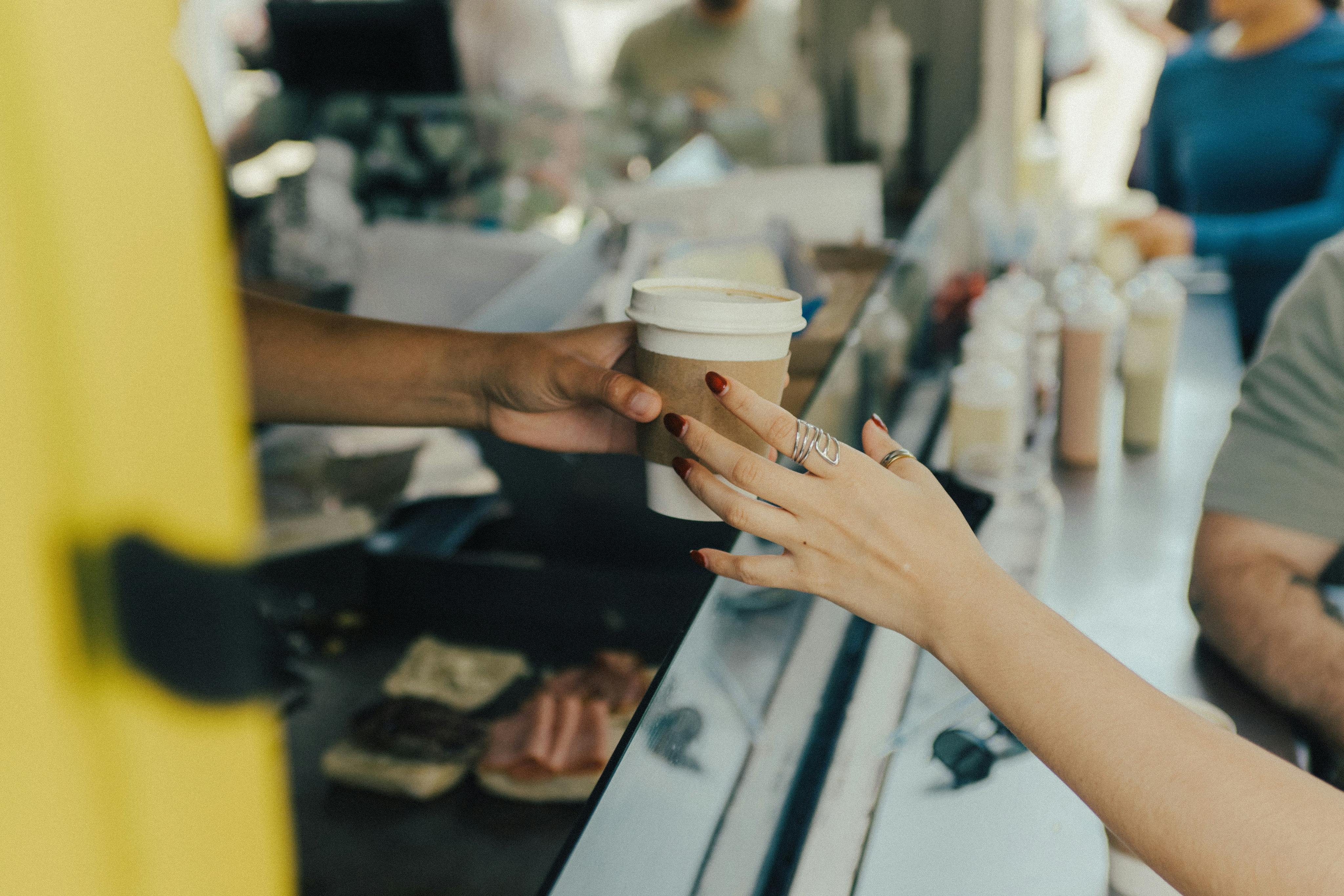
In the universe of Gelbe Seiten, a photograph does a job. Someone is deciding whether to let a stranger into their home, cater their wedding or coach their child. The picture is part of that decision. A portrait of a smiling tradesperson in tells them very little. Hands at work, in a real place, in real light, tells them that somebody competent does this for a living.
Five rules hold for every image:
- the activity is the subject
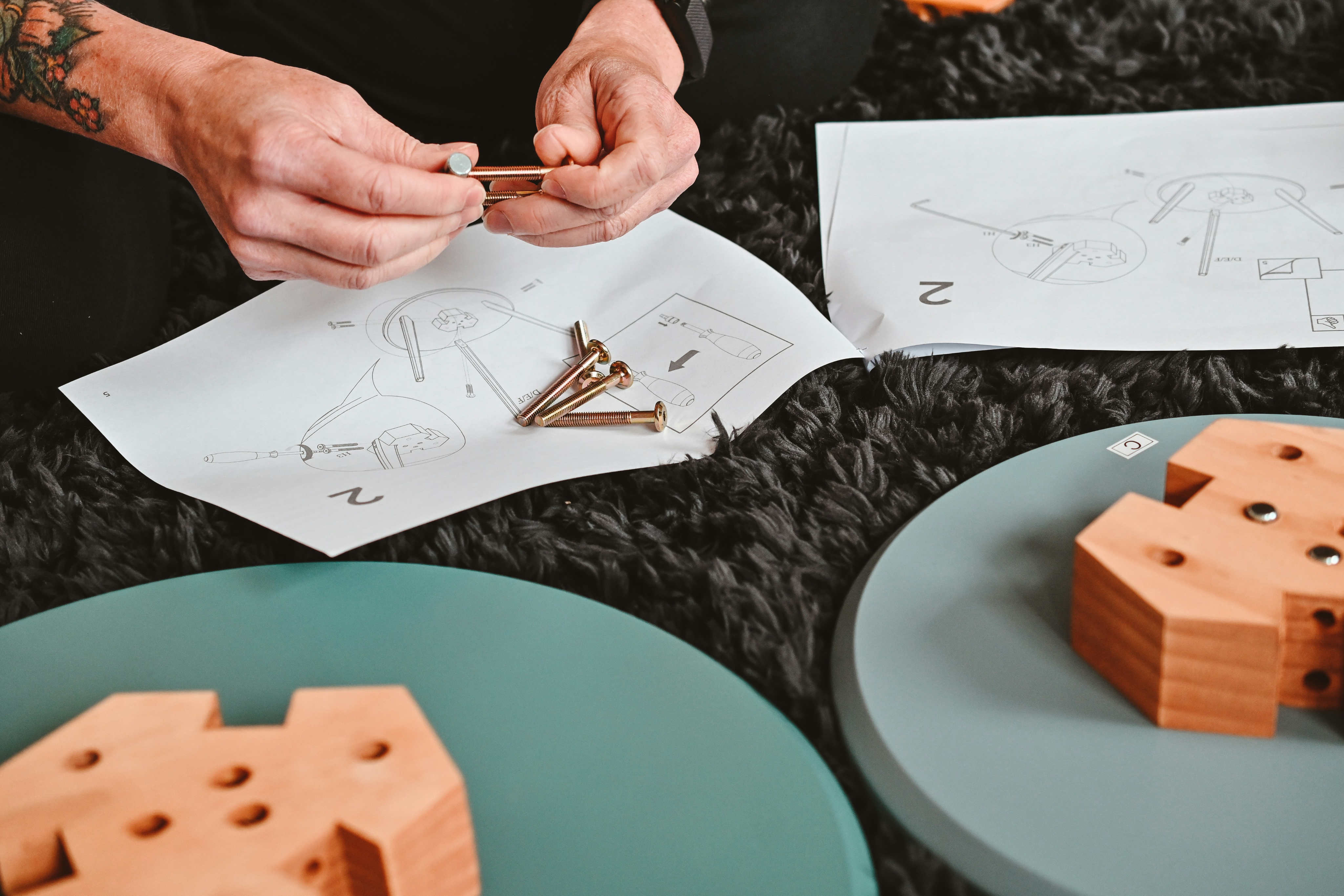
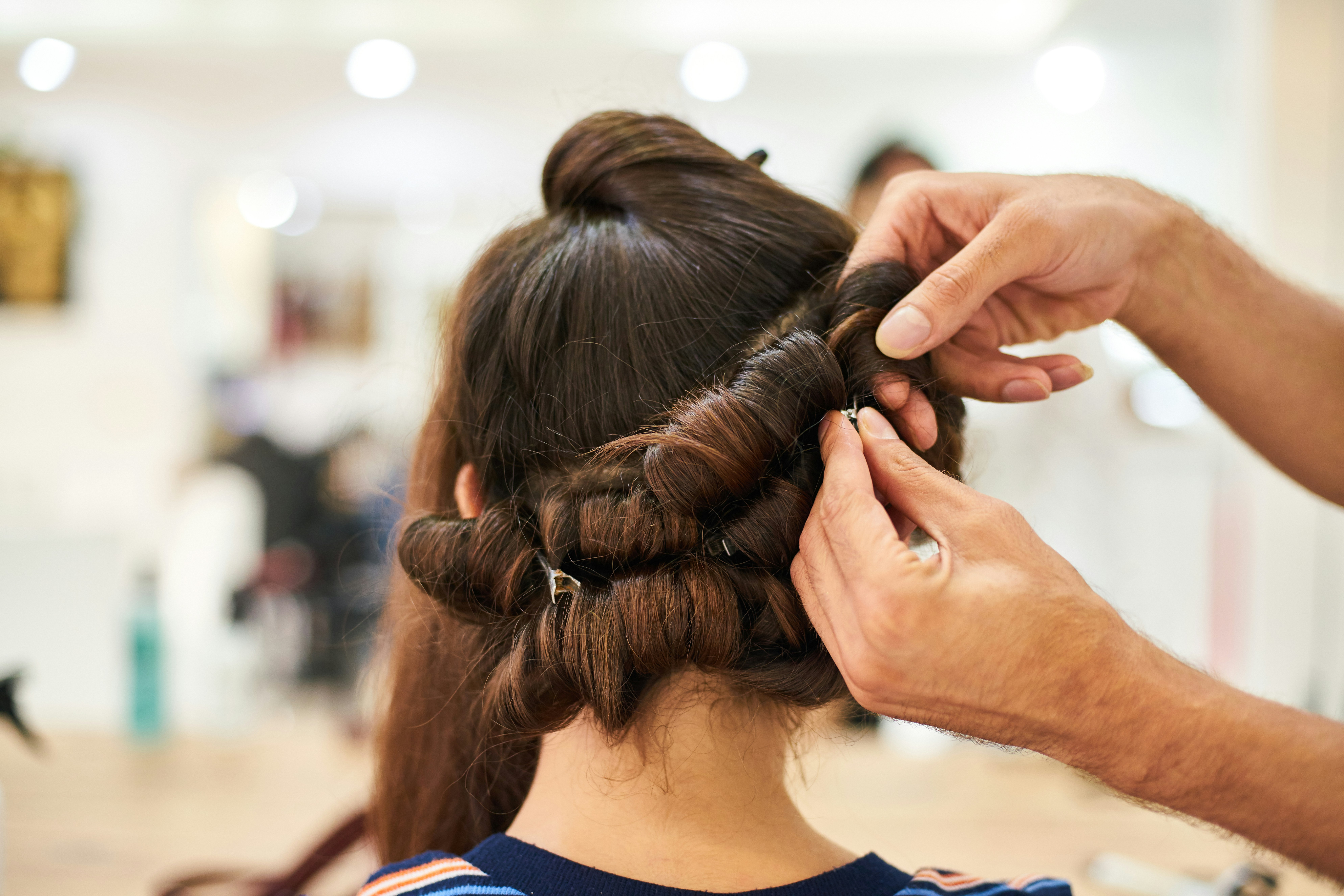
- hands over faces always, hands are our signature
- real places, real light, no studio styling that removes the authentic, natural feeling
- one idea per frame with as little going on as possible to achieve an overall clean look
- true, but saturated color that pops and fits the brand color palette, visualizes energy and motivates to get things done
The style stays the same at every budget. A stock licence for a listing card is held to the very same rules above that a commissioned campaign is held to. Most of the images anyone sees from us are the inexpensive ones, so the standard cannot drop there.
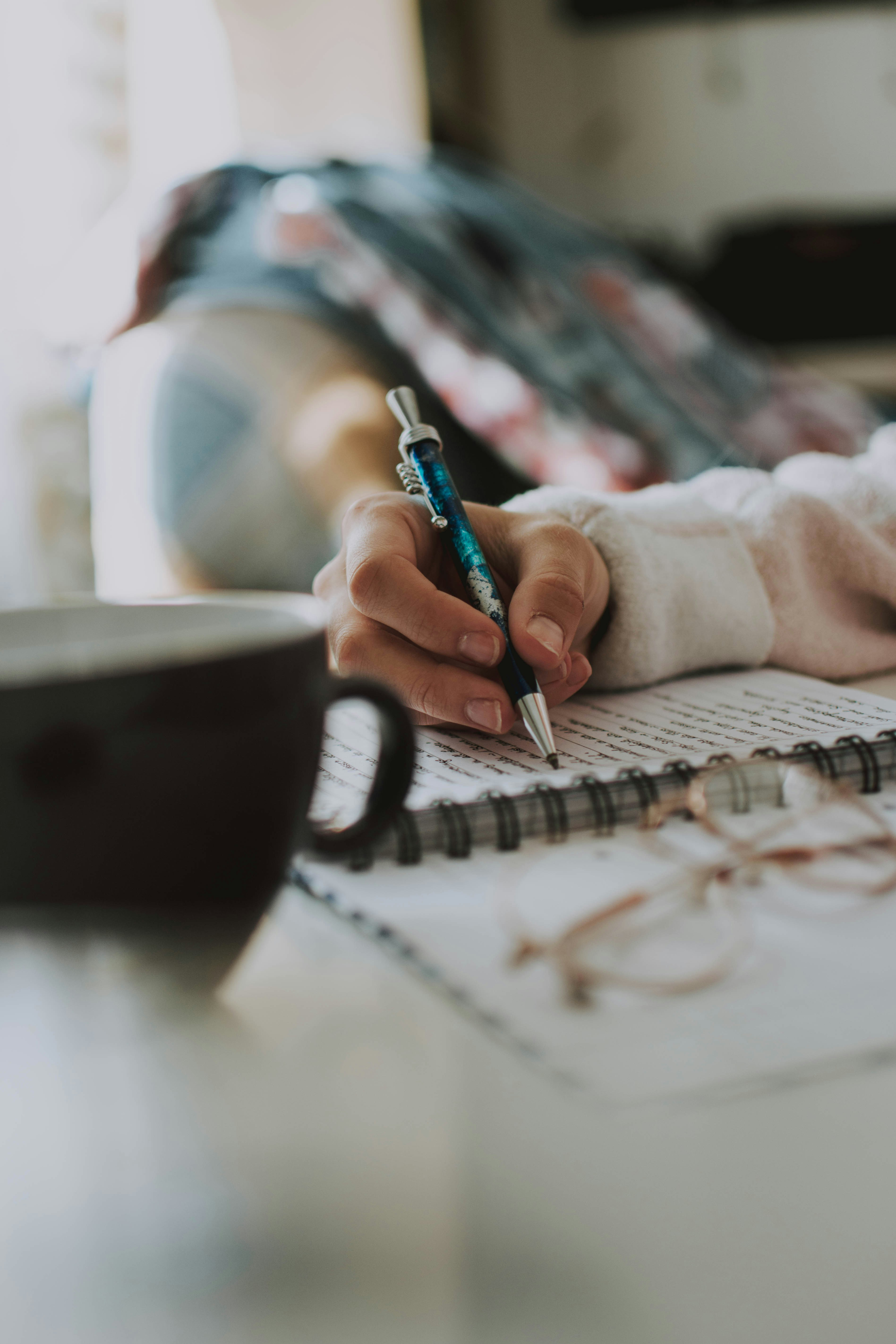
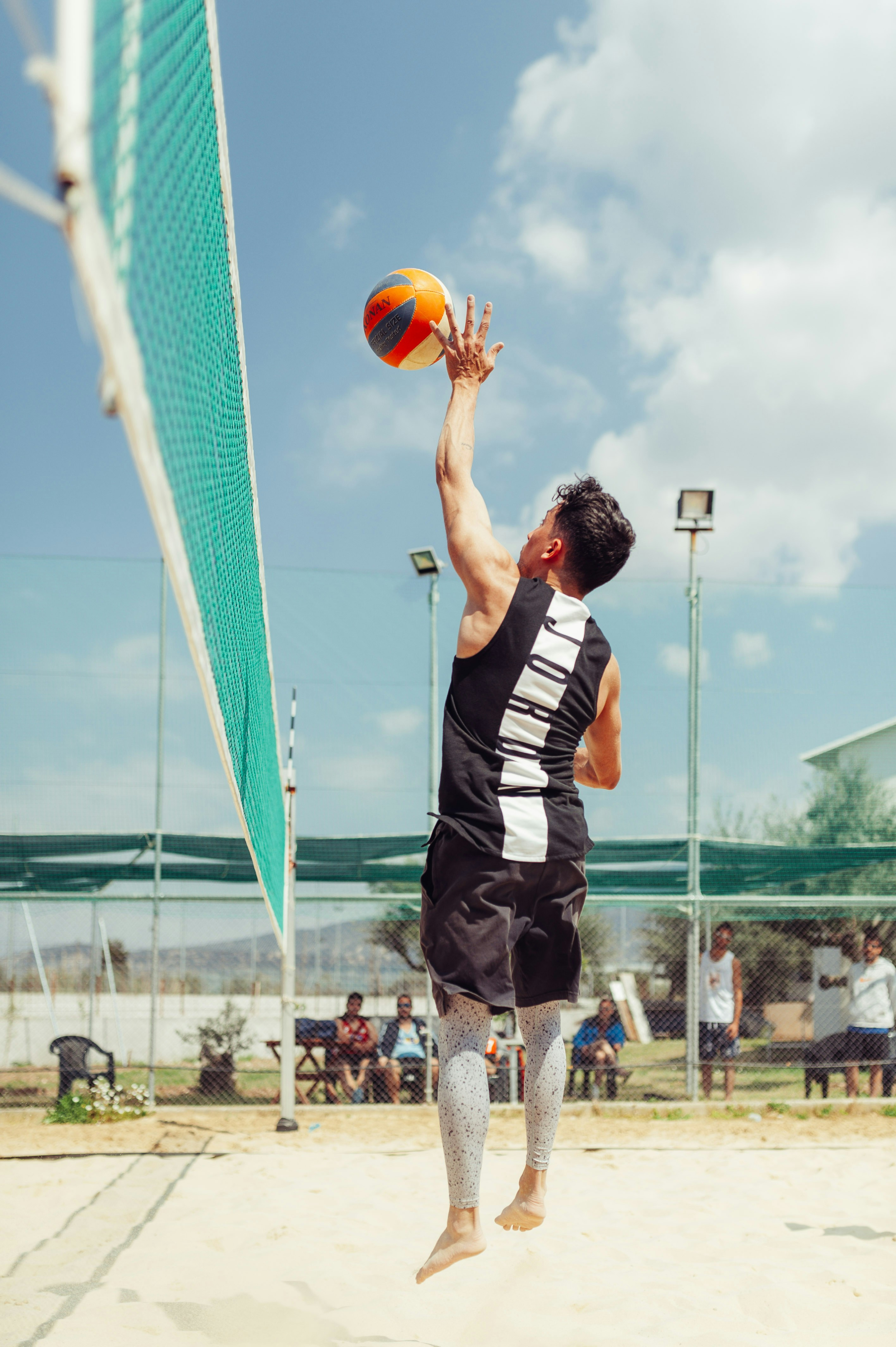
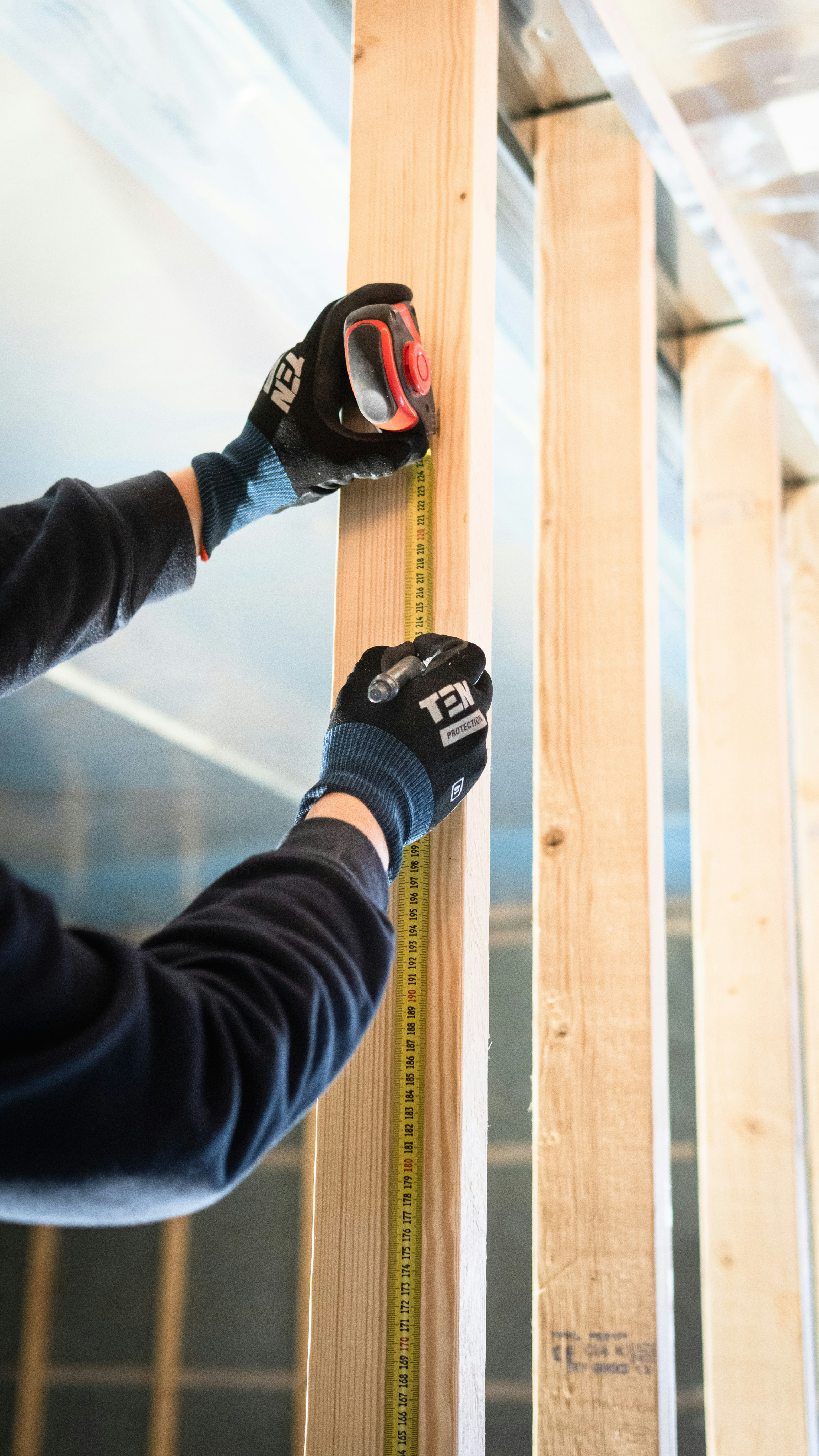
-
-

Hands: our signature motif

Do
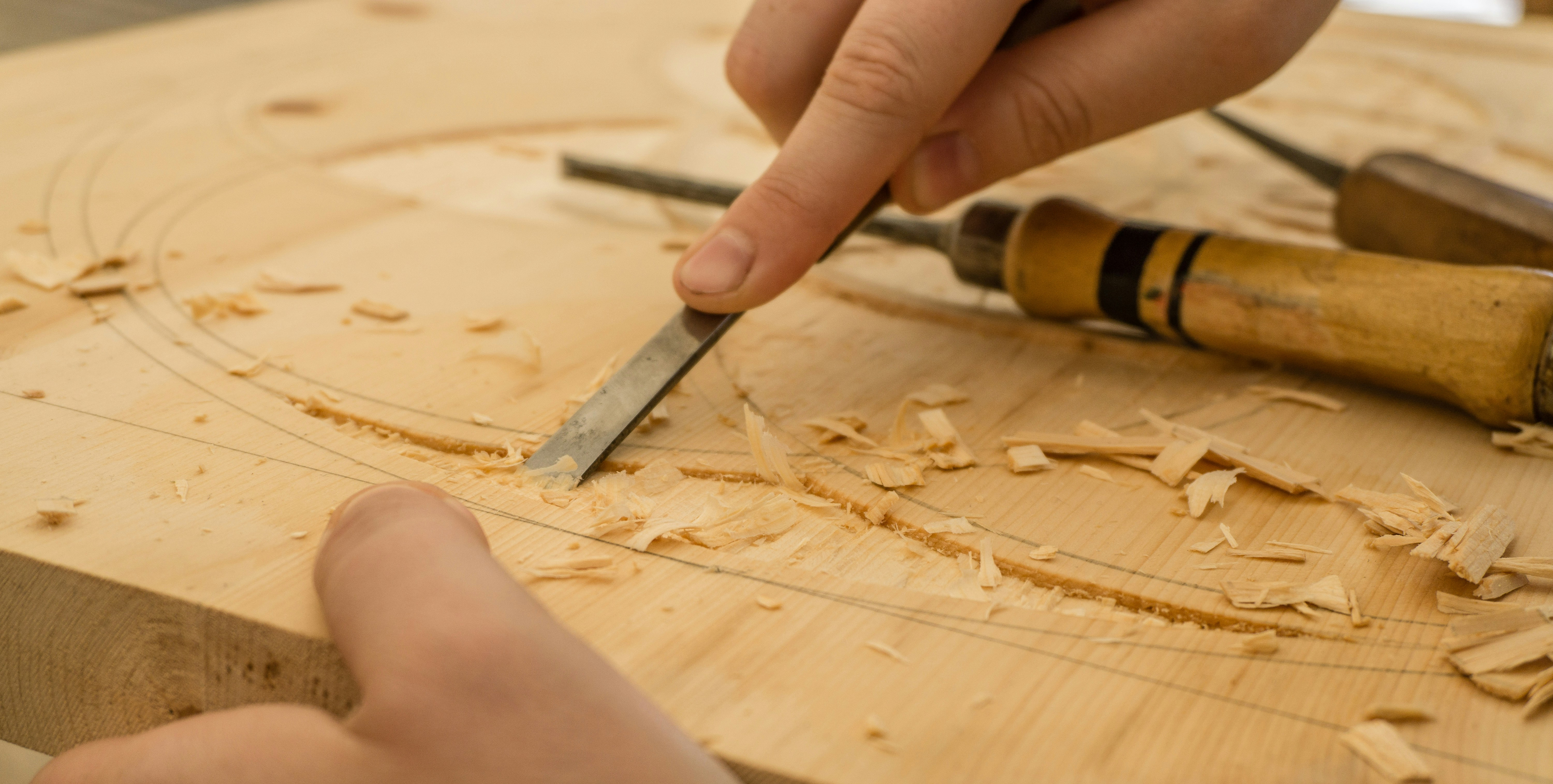
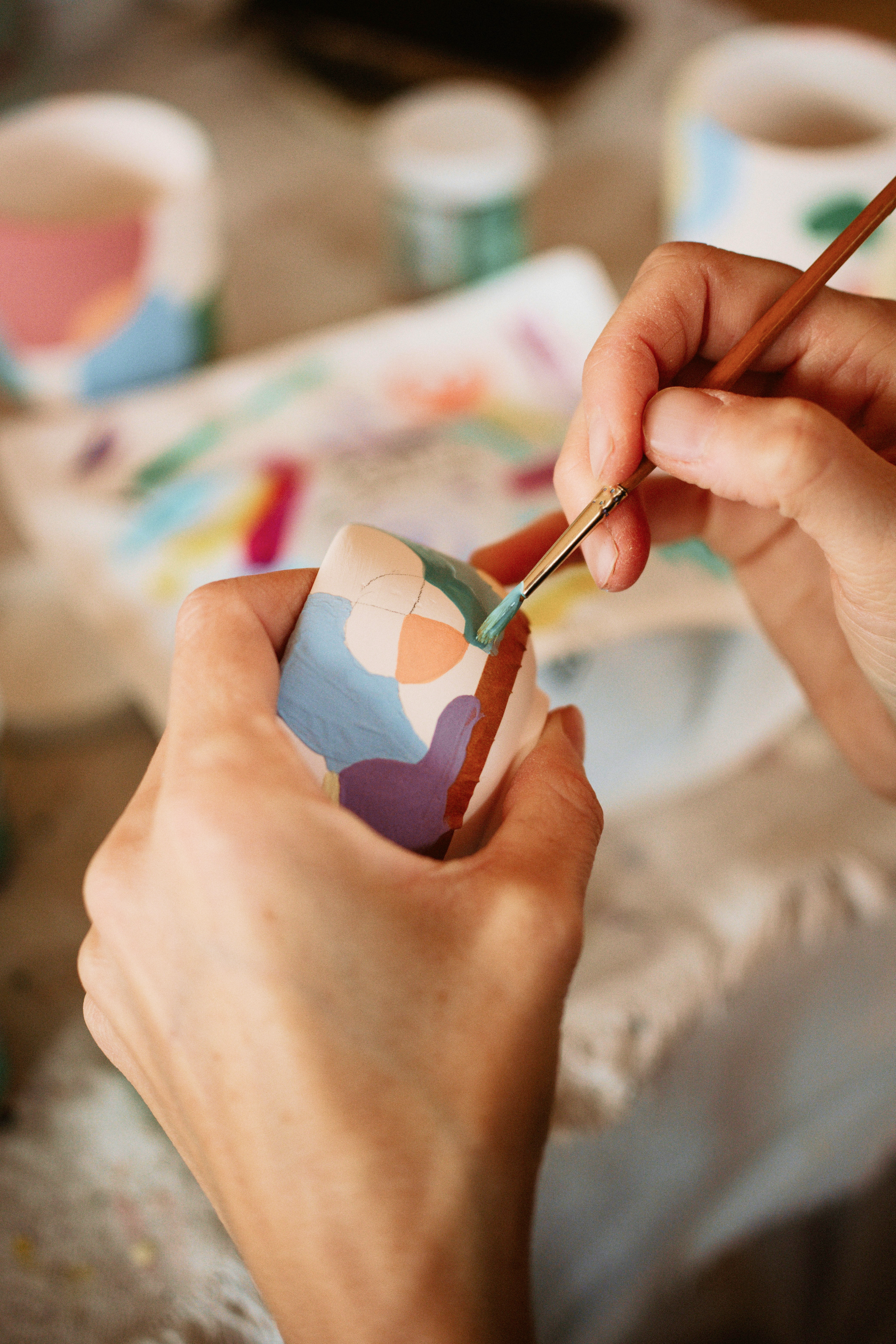
- hands engaged in the task: gripping, pressing, lifting, cutting, kneading, measuring, planting, plating
- hands bearing load or resistance where you can see the material pushing back
- hands entering the frame from a natural direction
- correct grip, correct tool, correct sequence: a tradesperson spots a wrong grip in half a second and stops trusting us
- real, authentic skin: calluses, dirt, flour, soil, paint, plasters, rings, watches, scars, tattoos, cracked nails
- include enough of the arm and surroundings that we know where the hands are


Don’t
- presenting hands
- cradling hands: two hands cupped around a product, presented up into the light, with nowhere for it to go
- idle hands: holding a tool without using it, hovering over a keyboard, wiping a surface that is already clean
- isolated hands: hands plus object on white, grey or gradient background, with no place around them
- model hands (such as fresh manicure, hand-cream skin, no wear, no marks) only if the industry fits
- gesture clichés: thumbs up, OK sign, pointing at camera, finger on a chin, framing a rectangle
- hands touching things they wouldn't touch just to be in shot
- objects held up into the light to be admired
Subjects
Trades and craft
This category covers everything that gets built, repaired, installed, fitted, made or serviced by hand. It is the largest group of businesses on the platform and the place the style originally came from, so it sets the reference the other categories are measured against.
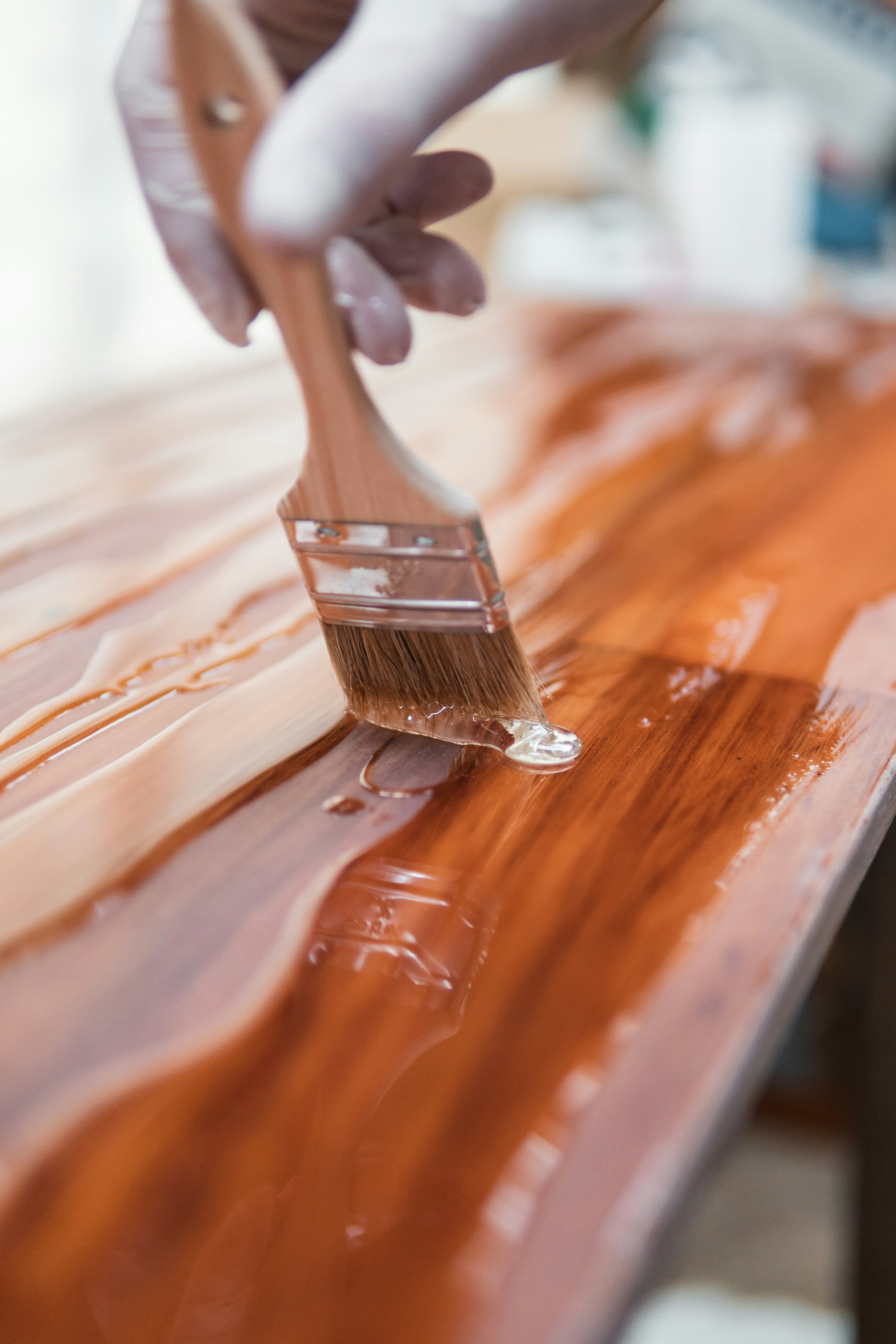
Every set must include at least one frame in which the material is visibly changing state. A shaving curling off a chisel, varnish going onto bare wood, sparks, sawdust and wet plaster all read immediately as work in progress, and a set without any of them slides towards being a catalogue of finished objects.
Avoid finished pieces displayed on a plinth or lit like products, tools laid out neatly and not being used, and the tradesperson standing in front of a van with folded arms. All three are common in stock libraries and all three present competence as a pose instead of showing it happening.

Home and garden
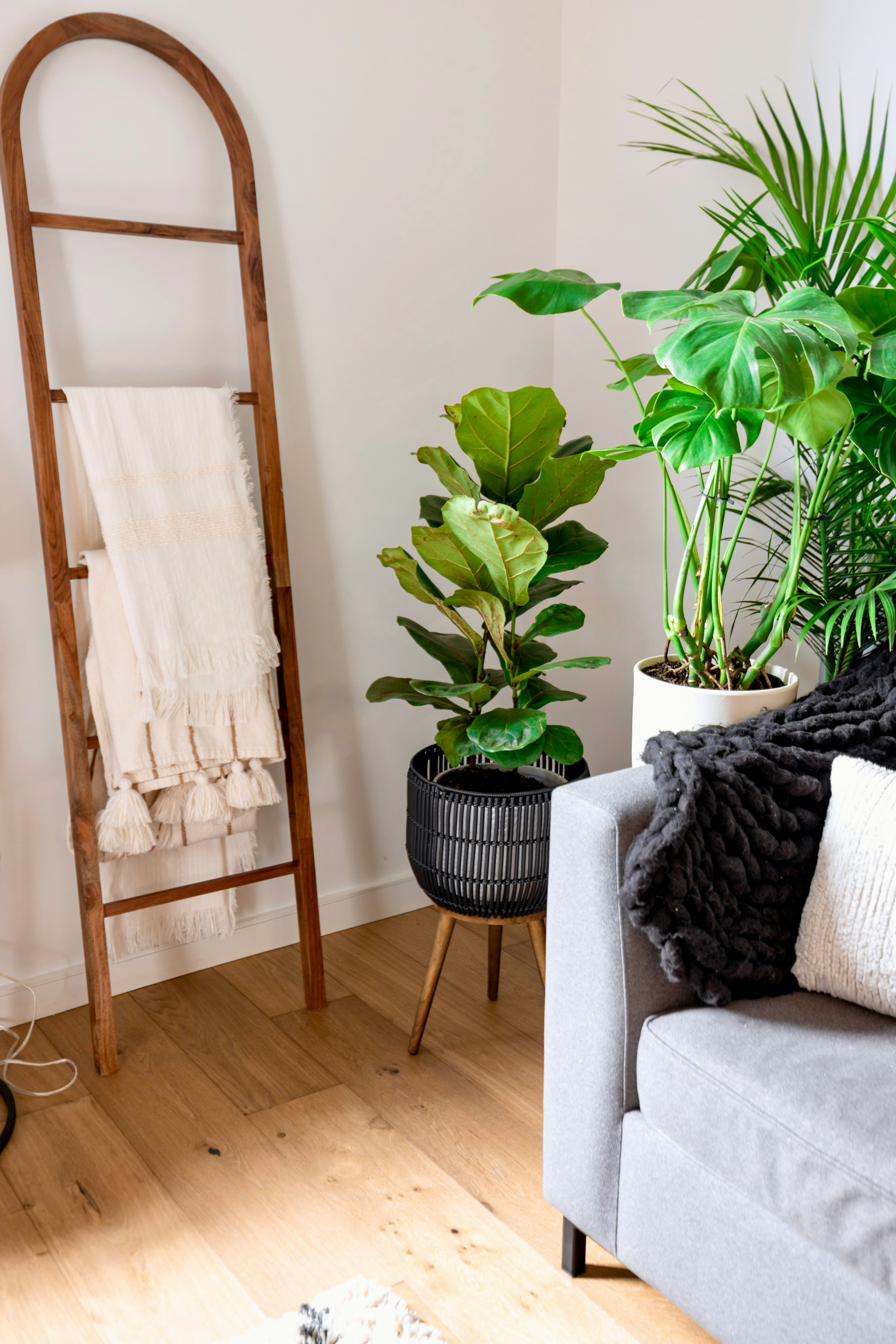
This category covers what happens once the work is finished, which is people living with the result. Interiors, gardens, plants, storage, comfort and upkeep belong here, and this is the part of the library that carries most of the warmth.
Shoot rooms that are plausibly somebody's home rather than a showroom, lit by whatever comes through the window. Plants do a great deal of work in these frames and are worth composing around. Hands still lead, whether that is hands in soil, hands repotting, hands folding laundry or hands cooking in a kitchen that is obviously their own. Pets belong here when they genuinely live in the space.

Food, service and events
This category covers everything that is booked rather than bought, which takes in catering, hospitality, events, venues, film and photography crews, and staff working a shift.
Shoot the service while it is moving. Plating, pouring, carrying, rigging, loading in, hanging lights, checking a monitor and working the pass during service all show the thing that is actually being sold. Food belongs in the moment of being made or served.
Avoid empty banquet rooms, glasses being clinked in unnatural poses and plates held up towards the lens for presentation.
Sport, coaching and treating
This category covers everything where the bookable thing is a person's skill being taught or led. Trainers, coaches, instructors, clubs, physiotherapists, driving schools, music teachers and tutors all sit here.
Shoot the moment of instruction rather than the activity itself. A hand correcting a grip, a hand adjusting a shoulder, somebody spotting a lift, a movement being demonstrated while another person copies it.
Avoid the conventions of sports advertising more generally, including sweat spray, low angle triumph and saturated single colour backdrops, and avoid motives like a team lined up for a group photograph.
Light

Do
- natural, directional light such as daylight through a window, an open door, open sky
- soft to medium contrast by allowing natural shadows
- the real light of the real place is always allowed and often best: workshop skylights, café pendants, kitchen strip lights, festoon lights at an event, etc., as it reads as documentary, not as lighting design
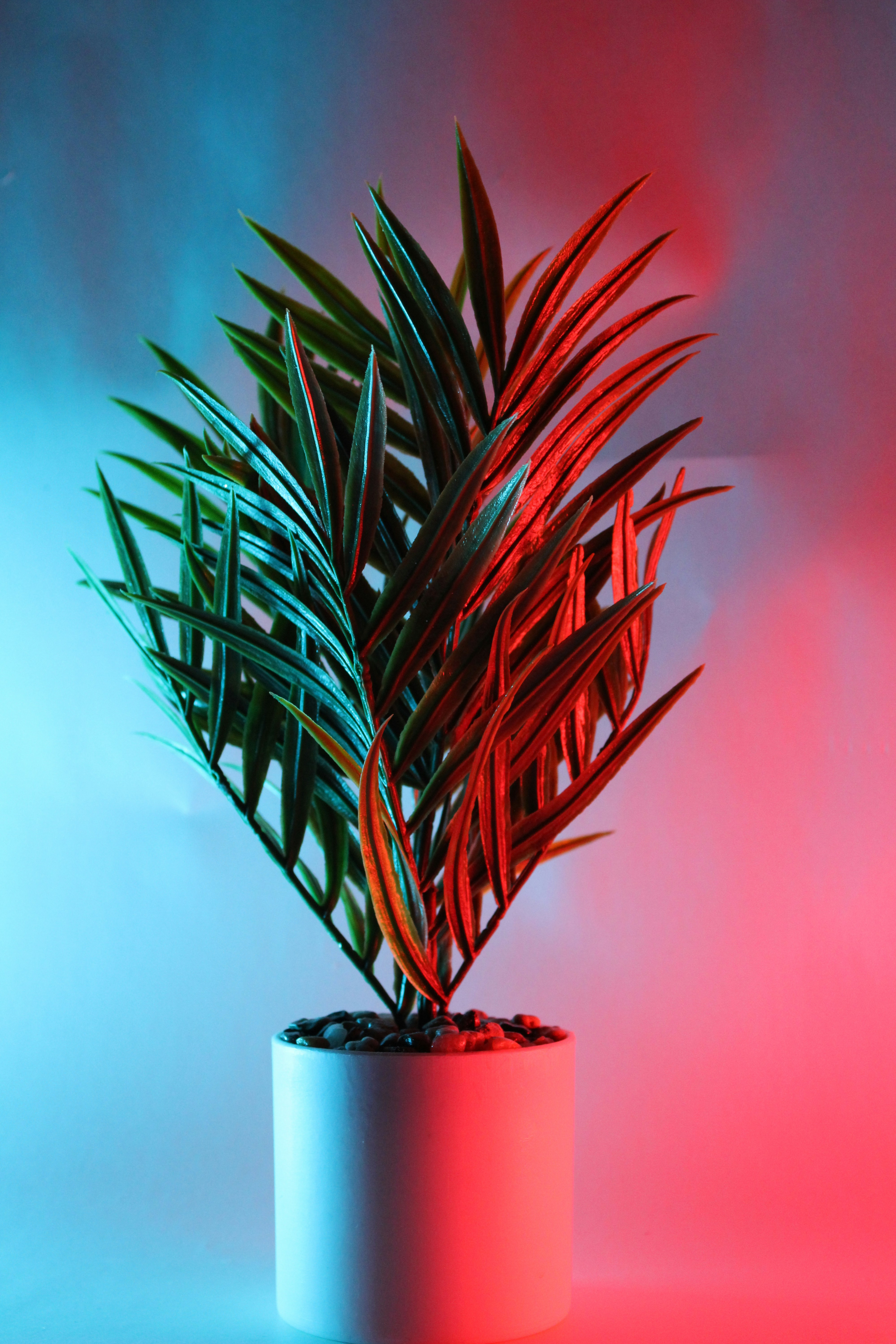
- always in bright scenery, low-light is only accepted for hospitality, events, evening service which are genuinely dark

Don’t
- on-camera or pop-up flash
- ring light, softbox visible in reflections, strong rim light
- gradient or seamless backdrops
- golden hour must stay the exception, not the signature and can only be used if the use case needs it (such as a special event during that time)
- dark, low-key "moody" grading
- silhouettes where you can no longer read the activity
- subject floating on a featureless black field with no room behind it
Color
Do
- color comes from the scene: wood, soil, brick, textile, produce, workwear, skin, foliage
- well saturated, but not unnaturally done
- greens are our warmth, such as plants, foliage, herbs, produce
- acceptable range for warmth in light colors: white balance may drift slightly warm

Don’t
- filters, presets, LUTs applied as a look (neither choosing stock with a visible filter nor putting on filters yourself)
- moody color grading such as teal-and-orange grading, split toning
- color that clashes with the brand palette (large fields of saturated color that fight the interface)
- purely black and white (rare exceptions need a sign-off)
Composition and density
Do
- as little busy as possible, so one subject, one action, legible in a quarter of a second at thumbnail size
- quiet backgrounds that are still real
- depth of field that isolates the action but keeps the place readable
- foreground / background layers are welcome to give depth
- compose so the frame survives crops (nothing critical near an edge)
Don’t
- dead-centre symmetrical and unnatural appearing product shots
- extreme wide angle distortion or fisheye
- perfect flat-lays arranged into patterns
- motion blur across the whole frame
- vignettes, visible sharpening halos, HDR crunch
AI imagery is prohibited
We do not use generated images and we do not use generative tools to edit them, in any category, on any surface, at any budget. There is no permitted use for backgrounds, textures or filler, and no exception for images where the generated part is small or difficult to notice.
The reasoning is the same one that runs through the rest of this document. Every photograph we publish carries a claim that a real person does real work, and someone acts on that claim when they book a service. An image that was assembled rather than observed cannot carry that claim, however convincing it looks.
Because the prohibition is absolute, it needs a boundary that a retoucher can actually apply, since almost every current editing tool has some machine learning inside it. The distinction we draw is between correcting an image and inventing one. A tool that estimates what was already there is performing a correction and is allowed. A tool that decides what ought to be there is generating, and is not.
In practice this means that exposure, white balance, contrast, lens correction, cropping, straightening, resizing, noise reduction and sharpening are all acceptable, including their machine learning versions, as long as they clean up what the sensor recorded rather than adding texture that was never in the frame. Healing dust and sensor spots is acceptable where the surrounding area contains real detail to work from.
Home
GTC
Legal Notice
Terms of Use
Privacy Policy
We photograph work being done, not people posing with the results
In the universe of Gelbe Seiten, a photograph does a job. Someone is deciding whether to let a stranger into their home, cater their wedding or coach their child. The picture is part of that decision. A portrait of a smiling tradesperson in tells them very little. Hands at work, in a real place, in real light, tells them that somebody competent does this for a living.
Five rules hold for every image:
- the activity is the subject
- hands over faces always, hands are our signature
- real places, real light, no studio styling that removes the authentic, natural feeling
- one idea per frame with as little going on as possible to achieve an overall clean look
- true, but saturated color that pops and fits the brand color palette, visualizes energy and motivates to get things done
The style stays the same at every budget. A stock licence for a listing card is held to the very same rules above that a commissioned campaign is held to. Most of the images anyone sees from us are the inexpensive ones, so the standard cannot drop there.
-
-
Hands: our signature motif
Do
- hands engaged in the task: gripping, pressing, lifting, cutting, kneading, measuring, planting, plating
- hands bearing load or resistance where you can see the material pushing back
- hands entering the frame from a natural direction
- correct grip, correct tool, correct sequence: a tradesperson spots a wrong grip in half a second and stops trusting us
- real, authentic skin: calluses, dirt, flour, soil, paint, plasters, rings, watches, scars, tattoos, cracked nails
- include enough of the arm and surroundings that we know where the hands are
Don’t
- presenting hands
- cradling hands: two hands cupped around a product, presented up into the light, with nowhere for it to go
- idle hands: holding a tool without using it, hovering over a keyboard, wiping a surface that is already clean
- isolated hands: hands plus object on white, grey or gradient background, with no place around them
- model hands (such as fresh manicure, hand-cream skin, no wear, no marks) only if the industry fits
- gesture clichés: thumbs up, OK sign, pointing at camera, finger on a chin, framing a rectangle
- hands touching things they wouldn't touch just to be in shot
- objects held up into the light to be admired
Subjects
Trades and craft
This category covers everything that gets built, repaired, installed, fitted, made or serviced by hand. It is the largest group of businesses on the platform and the place the style originally came from, so it sets the reference the other categories are measured against.
Every set must include at least one frame in which the material is visibly changing state. A shaving curling off a chisel, varnish going onto bare wood, sparks, sawdust and wet plaster all read immediately as work in progress, and a set without any of them slides towards being a catalogue of finished objects.
Avoid finished pieces displayed on a plinth or lit like products, tools laid out neatly and not being used, and the tradesperson standing in front of a van with folded arms. All three are common in stock libraries and all three present competence as a pose instead of showing it happening.

Home and garden
This category covers what happens once the work is finished, which is people living with the result. Interiors, gardens, plants, storage, comfort and upkeep belong here, and this is the part of the library that carries most of the warmth.
Shoot rooms that are plausibly somebody's home rather than a showroom, lit by whatever comes through the window. Plants do a great deal of work in these frames and are worth composing around. Hands still lead, whether that is hands in soil, hands repotting, hands folding laundry or hands cooking in a kitchen that is obviously their own. Pets belong here when they genuinely live in the space.

Food, service and events
This category covers everything that is booked rather than bought, which takes in catering, hospitality, events, venues, film and photography crews, and staff working a shift.
Shoot the service while it is moving. Plating, pouring, carrying, rigging, loading in, hanging lights, checking a monitor and working the pass during service all show the thing that is actually being sold. Food belongs in the moment of being made or served.
Avoid empty banquet rooms, glasses being clinked in unnatural poses and plates held up towards the lens for presentation.
Sport, coaching and treating
This category covers everything where the bookable thing is a person's skill being taught or led. Trainers, coaches, instructors, clubs, physiotherapists, driving schools, music teachers and tutors all sit here.
Shoot the moment of instruction rather than the activity itself. A hand correcting a grip, a hand adjusting a shoulder, somebody spotting a lift, a movement being demonstrated while another person copies it.
Avoid the conventions of sports advertising more generally, including sweat spray, low angle triumph and saturated single colour backdrops, and avoid motives like a team lined up for a group photograph.
Light
Do
- natural, directional light such as daylight through a window, an open door, open sky
- soft to medium contrast by allowing natural shadows
- the real light of the real place is always allowed and often best: workshop skylights, café pendants, kitchen strip lights, festoon lights at an event, etc., as it reads as documentary, not as lighting design
- always in bright scenery, low-light is only accepted for hospitality, events, evening service which are genuinely dark
Don’t
- on-camera or pop-up flash
- ring light, softbox visible in reflections, strong rim light
- gradient or seamless backdrops
- golden hour must stay the exception, not the signature and can only be used if the use case needs it (such as a special event during that time)
- dark, low-key "moody" grading
- silhouettes where you can no longer read the activity
- subject floating on a featureless black field with no room behind it
Color
Do
- color comes from the scene: wood, soil, brick, textile, produce, workwear, skin, foliage
- well saturated, but not unnaturally done
- greens are our warmth, such as plants, foliage, herbs, produce
- acceptable range for warmth in light colors: white balance may drift slightly warm
Don’t
- filters, presets, LUTs applied as a look (neither choosing stock with a visible filter nor putting on filters yourself)
- moody color grading such as teal-and-orange grading, split toning
- color that clashes with the brand palette (large fields of saturated color that fight the interface)
- purely black and white (rare exceptions need a sign-off)
Composition and density
Do
- as little busy as possible, so one subject, one action, legible in a quarter of a second at thumbnail size
- quiet backgrounds that are still real
- depth of field that isolates the action but keeps the place readable
- foreground / background layers are welcome to give depth
- compose so the frame survives crops (nothing critical near an edge)
Don’t
- dead-centre symmetrical and unnatural appearing product shots
- extreme wide angle distortion or fisheye
- perfect flat-lays arranged into patterns
- motion blur across the whole frame
- vignettes, visible sharpening halos, HDR crunch
AI imagery is prohibited
We do not use generated images and we do not use generative tools to edit them, in any category, on any surface, at any budget. There is no permitted use for backgrounds, textures or filler, and no exception for images where the generated part is small or difficult to notice.
The reasoning is the same one that runs through the rest of this document. Every photograph we publish carries a claim that a real person does real work, and someone acts on that claim when they book a service. An image that was assembled rather than observed cannot carry that claim, however convincing it looks.
Because the prohibition is absolute, it needs a boundary that a retoucher can actually apply, since almost every current editing tool has some machine learning inside it. The distinction we draw is between correcting an image and inventing one. A tool that estimates what was already there is performing a correction and is allowed. A tool that decides what ought to be there is generating, and is not.
In practice this means that exposure, white balance, contrast, lens correction, cropping, straightening, resizing, noise reduction and sharpening are all acceptable, including their machine learning versions, as long as they clean up what the sensor recorded rather than adding texture that was never in the frame. Healing dust and sensor spots is acceptable where the surrounding area contains real detail to work from.
Home
GTC
Legal Notice
Terms of Use
Privacy Policy
We photograph work being done, not people posing with the results
In the universe of Gelbe Seiten, a photograph does a job. Someone is deciding whether to let a stranger into their home, cater their wedding or coach their child. The picture is part of that decision. A portrait of a smiling tradesperson in tells them very little. Hands at work, in a real place, in real light, tells them that somebody competent does this for a living.
Five rules hold for every image:
- the activity is the subject
- hands over faces always, hands are our signature
- real places, real light, no studio styling that removes the authentic, natural feeling
- one idea per frame with as little going on as possible to achieve an overall clean look
- true, but saturated color that pops and fits the brand color palette, visualizes energy and motivates to get things done
The style stays the same at every budget. A stock licence for a listing card is held to the very same rules above that a commissioned campaign is held to. Most of the images anyone sees from us are the inexpensive ones, so the standard cannot drop there.
-
-
Hands: our signature motif
Do
- hands engaged in the task: gripping, pressing, lifting, cutting, kneading, measuring, planting, plating
- hands bearing load or resistance where you can see the material pushing back
- hands entering the frame from a natural direction
- correct grip, correct tool, correct sequence: a tradesperson spots a wrong grip in half a second and stops trusting us
- real, authentic skin: calluses, dirt, flour, soil, paint, plasters, rings, watches, scars, tattoos, cracked nails
- include enough of the arm and surroundings that we know where the hands are
Don’t
- presenting hands
- cradling hands: two hands cupped around a product, presented up into the light, with nowhere for it to go
- idle hands: holding a tool without using it, hovering over a keyboard, wiping a surface that is already clean
- isolated hands: hands plus object on white, grey or gradient background, with no place around them
- model hands (such as fresh manicure, hand-cream skin, no wear, no marks) only if the industry fits
- gesture clichés: thumbs up, OK sign, pointing at camera, finger on a chin, framing a rectangle
- hands touching things they wouldn't touch just to be in shot
- objects held up into the light to be admired
Subjects
Trades and craft
This category covers everything that gets built, repaired, installed, fitted, made or serviced by hand. It is the largest group of businesses on the platform and the place the style originally came from, so it sets the reference the other categories are measured against.
Every set must include at least one frame in which the material is visibly changing state. A shaving curling off a chisel, varnish going onto bare wood, sparks, sawdust and wet plaster all read immediately as work in progress, and a set without any of them slides towards being a catalogue of finished objects.
Avoid finished pieces displayed on a plinth or lit like products, tools laid out neatly and not being used, and the tradesperson standing in front of a van with folded arms. All three are common in stock libraries and all three present competence as a pose instead of showing it happening.

Home and garden
This category covers what happens once the work is finished, which is people living with the result. Interiors, gardens, plants, storage, comfort and upkeep belong here, and this is the part of the library that carries most of the warmth.
Shoot rooms that are plausibly somebody's home rather than a showroom, lit by whatever comes through the window. Plants do a great deal of work in these frames and are worth composing around. Hands still lead, whether that is hands in soil, hands repotting, hands folding laundry or hands cooking in a kitchen that is obviously their own. Pets belong here when they genuinely live in the space.

Food, service and events
This category covers everything that is booked rather than bought, which takes in catering, hospitality, events, venues, film and photography crews, and staff working a shift.
Shoot the service while it is moving. Plating, pouring, carrying, rigging, loading in, hanging lights, checking a monitor and working the pass during service all show the thing that is actually being sold. Food belongs in the moment of being made or served.
Avoid empty banquet rooms, glasses being clinked in unnatural poses and plates held up towards the lens for presentation.

Sport, coaching and treating
This category covers everything where the bookable thing is a person's skill being taught or led. Trainers, coaches, instructors, clubs, physiotherapists, driving schools, music teachers and tutors all sit here.
Shoot the moment of instruction rather than the activity itself. A hand correcting a grip, a hand adjusting a shoulder, somebody spotting a lift, a movement being demonstrated while another person copies it.
Avoid the conventions of sports advertising more generally, including sweat spray, low angle triumph and saturated single colour backdrops, and avoid motives like a team lined up for a group photograph.
Light
Do
- natural, directional light such as daylight through a window, an open door, open sky
- soft to medium contrast by allowing natural shadows
- the real light of the real place is always allowed and often best: workshop skylights, café pendants, kitchen strip lights, festoon lights at an event, etc., as it reads as documentary, not as lighting design
- always in bright scenery, low-light is only accepted for hospitality, events, evening service which are genuinely dark
Don’t
- on-camera or pop-up flash
- ring light, softbox visible in reflections, strong rim light
- gradient or seamless backdrops
- golden hour must stay the exception, not the signature and can only be used if the use case needs it (such as a special event during that time)
- dark, low-key "moody" grading
- silhouettes where you can no longer read the activity
- subject floating on a featureless black field with no room behind it
Color
Do
- color comes from the scene: wood, soil, brick, textile, produce, workwear, skin, foliage
- well saturated, but not unnaturally done
- greens are our warmth, such as plants, foliage, herbs, produce
- acceptable range for warmth in light colors: white balance may drift slightly warm
Don’t
- filters, presets, LUTs applied as a look (neither choosing stock with a visible filter nor putting on filters yourself)
- moody color grading such as teal-and-orange grading, split toning
- color that clashes with the brand palette (large fields of saturated color that fight the interface)
- purely black and white (rare exceptions need a sign-off)
Composition and density
Do
- as little busy as possible, so one subject, one action, legible in a quarter of a second at thumbnail size
- quiet backgrounds that are still real
- depth of field that isolates the action but keeps the place readable
- foreground / background layers are welcome to give depth
- compose so the frame survives crops (nothing critical near an edge)
Don’t
- dead-centre symmetrical and unnatural appearing product shots
- extreme wide angle distortion or fisheye
- perfect flat-lays arranged into patterns
- motion blur across the whole frame
- vignettes, visible sharpening halos, HDR crunch
AI imagery is prohibited
We do not use generated images and we do not use generative tools to edit them, in any category, on any surface, at any budget. There is no permitted use for backgrounds, textures or filler, and no exception for images where the generated part is small or difficult to notice.
The reasoning is the same one that runs through the rest of this document. Every photograph we publish carries a claim that a real person does real work, and someone acts on that claim when they book a service. An image that was assembled rather than observed cannot carry that claim, however convincing it looks.
Because the prohibition is absolute, it needs a boundary that a retoucher can actually apply, since almost every current editing tool has some machine learning inside it. The distinction we draw is between correcting an image and inventing one. A tool that estimates what was already there is performing a correction and is allowed. A tool that decides what ought to be there is generating, and is not.
In practice this means that exposure, white balance, contrast, lens correction, cropping, straightening, resizing, noise reduction and sharpening are all acceptable, including their machine learning versions, as long as they clean up what the sensor recorded rather than adding texture that was never in the frame. Healing dust and sensor spots is acceptable where the surrounding area contains real detail to work from.
Home
GTC
Legal Notice
Terms of Use
Privacy Policy